Choosing a Loan App: Features, Costs and Safety Checks
A loan app can make it easier to explore borrowing options, submit information and track an application through a mobile device. The convenience is useful, but choosing an app should involve more than looking at how quickly funds may be available.
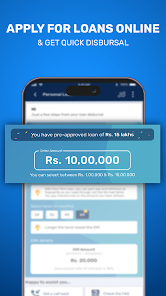
Someone considering a Personal Loan App should review the lender details, eligibility requirements, repayment terms, fees and security practices before applying. A digital application process may be faster than a traditional one, but the financial responsibility remains the same.
The right loan app should make important information easier to understand, not encourage borrowers to skip essential checks.
Look Beyond the Download and Application Process
A simple interface can improve convenience, but it should not be the main reason to choose a borrowing option. The underlying loan terms matter much more than how quickly someone can complete the form.
Before applying, borrowers should check who provides the loan, what eligibility conditions apply and how repayment is structured. It is also important to understand whether the amount shown in the app is an indicative eligibility figure or an actual approved offer.
A smooth digital journey is useful only when the financial terms are suitable.
Check Whether the Loan Amount Matches the Need
Loan apps may display an eligible or available amount, but that does not mean a borrower should automatically use the maximum.
The borrowing decision should begin with the actual expense. If ₹1 lakh is required, taking ₹2 lakh simply because it is available creates a larger repayment burden and potentially higher overall interest.
A useful approach is to write down the expense first, add any reasonable buffer if genuinely required, and use that figure as the borrowing limit.
This keeps the loan connected to a specific purpose.
Compare the EMI With the Monthly Budget
Affordability is one of the most important checks.
A borrower should calculate how the proposed EMI fits alongside rent, household expenses, insurance, savings, existing loans and other essential commitments. The question is not simply whether the EMI can be paid in a good month, but whether it remains manageable when unexpected expenses arise.
If the new repayment leaves almost no financial flexibility, the borrowing amount or tenure may need to be reconsidered.
Review the Full Cost of Borrowing
A loan app may highlight the loan amount or monthly EMI prominently, but borrowers should also look at the complete cost.
Important items may include:
- Interest rate
- Processing fee
- Applicable taxes
- Late-payment charges
- Prepayment conditions
- Foreclosure terms
- Other product-specific fees
A lower EMI does not always mean a cheaper loan. The tenure may simply be longer, increasing the total interest paid.
The total repayment amount should therefore be part of every comparison.
Understand How the Tenure Changes the Loan
Tenure affects both monthly affordability and long-term cost.
A shorter tenure generally increases the EMI but may reduce the total interest paid. A longer tenure can make the EMI easier to manage while increasing the amount paid over time.
Borrowers should compare at least two or three tenure options before selecting one.
The goal is to find a repayment period that does not strain the monthly budget while avoiding unnecessary extension of the debt.
Check Eligibility Before Sharing Extensive Information
Loan eligibility can depend on factors such as income, employment type, credit profile, age and lender-specific criteria.
Reviewing the basic requirements first can prevent unnecessary applications.
Borrowers should also understand what documents or information the app requires. Requests should be relevant to the application and clearly explained.
If an app requests information that appears unrelated or excessive, the borrower should pause and verify why it is needed.
Security Should Be Part of the Selection Process
A financial app may handle personal, banking and identity-related information. Security should therefore be treated as a core requirement rather than an optional feature.
Borrowers should follow basic precautions such as:
- Downloading apps from official stores
- Using strong device security
- Avoiding unknown loan links sent through messages
- Never sharing OTPs, PINs or passwords
- Checking app permissions
- Using official customer-support channels
A genuine application should not require borrowers to share confidential authentication information with unknown individuals.
Verify the Lender or Finance Provider
The app interface may belong to one brand while the actual credit may be provided by another regulated lender or finance provider.
Borrowers should understand who is extending the loan and where the formal terms are documented.
This helps clarify who is responsible for the credit agreement, repayment structure and support process.
Provider transparency is especially important when the application process is entirely digital.
Check How Repayments Will Be Collected
Before accepting a loan, borrowers should understand the repayment mechanism.
This may involve an automatic mandate, scheduled debit or another supported payment method. The due date should also fit reasonably with the borrower’s income cycle.
Someone who receives salary at month-end may prefer a repayment schedule that leaves enough time for funds to be available before the debit.
Knowing the repayment process in advance reduces the risk of avoidable missed payments.
Look for Clear Loan Tracking
A useful loan app should make it easy to understand the current status of the borrowing arrangement.
Borrowers may benefit from being able to review:
- Approved amount
- EMI schedule
- Upcoming due dates
- Repayments already completed
- Outstanding balance
- Applicable charges
- Loan documents
Clear visibility reduces confusion during the repayment period.
It also makes budgeting easier because future obligations remain visible.
Do Not Ignore Late-Payment Conditions
Borrowers should understand what happens if a repayment is delayed.
Late payments may result in charges and can potentially affect the borrower’s credit profile, depending on the circumstances and lender reporting practices.
This is why repayment capacity should be assessed before the loan is accepted.
A borrower who already expects difficulty meeting the first few instalments may need to reconsider the loan structure or amount.
Compare More Than One Option
Choosing the first available offer can reduce the chance of finding a more suitable structure.
Where possible, borrowers can compare options using the same set of criteria:
- Amount available
- Interest rate
- EMI
- Tenure
- Processing charges
- Total repayment
- Prepayment rules
- Eligibility requirements
A consistent comparison framework makes differences easier to understand.
It also prevents a decision based only on speed or marketing language.
Be Careful With Very Fast Borrowing Decisions
The convenience of a loan app can sometimes reduce the amount of time people spend thinking about the decision.
A person may complete an application within minutes, but the repayment may continue for months or years.
That difference in time scale is important.
Borrowers should take enough time to review the offer even when the application process itself is quick.
Convenience should reduce administrative effort, not financial consideration.
Avoid Repeated Borrowing for Routine Expenses
Using loans repeatedly for groceries, utility bills or other regular expenses may indicate that monthly outgoings are consistently exceeding income.
In that situation, another loan may provide only temporary relief.
A budget review may be more useful. This can include identifying unnecessary subscriptions, reducing discretionary spending and reviewing existing EMIs.
Borrowing works best when it addresses a defined need rather than a permanent monthly shortfall.
Keep Loan Documents Accessible
Digital borrowing should still come with clear documentation.
Borrowers should retain copies of important information such as the loan agreement, repayment schedule and relevant fee details.
Keeping these documents organised can help if there is ever a question about the repayment amount, outstanding balance or applicable terms.
It also makes it easier to review the loan later without relying only on memory.
Review the Loan After a Few Repayments
Financial circumstances can change after borrowing.
A borrower may receive a salary increase, reduce other debt or build additional savings. In such cases, it may be useful to review whether the loan allows prepayment or faster repayment, subject to applicable terms.
Conversely, if the EMI is creating more pressure than expected, the borrower should recognise the issue early rather than waiting until several payments are missed.
Regular review keeps the loan connected to the broader financial plan.
Conclusion
Choosing a loan app should involve more than checking how quickly an application can be completed. Borrowers should compare the lender, eligibility requirements, total cost, repayment tenure, EMI, security practices and support options before accepting any offer.
A good digital borrowing experience should provide clarity throughout the entire loan journey, from application to final repayment. Even when considering a quick loan app, borrowers should focus on affordability and complete loan terms rather than speed alone.